Delve into the world of new home siding options with this detailed guide that covers everything from types of siding to color choices and eco-friendly options. Engage with the latest trends and tips to make informed decisions for your home.
Learn about the different materials available and their benefits, as well as essential maintenance tips to keep your siding looking fresh for years to come.
Types of New Home Siding
When it comes to choosing siding for your new home, there are several options available, each with its own unique characteristics and benefits. Let's explore some of the popular siding materials and compare their durability, maintenance requirements, and cost.
Vinyl Siding
Vinyl siding is a versatile and low-maintenance option for new homes. It comes in a variety of colors and styles, making it easy to customize the look of your home. Vinyl siding is durable, resistant to rot and insect damage, and relatively affordable compared to other materials.
However, it may crack or fade over time and is not as environmentally friendly as some other options.
Wood Siding
Wood siding offers a classic and natural look to new homes. It can be painted or stained to match your desired aesthetic and is biodegradable, making it an eco-friendly choice. Wood siding is durable and can last for decades with proper maintenance, but it requires regular upkeep such as painting or staining to prevent rot, warping, and insect infestations.
Fiber Cement Siding
Fiber cement siding is a durable and low-maintenance option that mimics the look of wood or masonry. It is resistant to fire, rot, and insects, making it a long-lasting choice for new homes. Fiber cement siding is available in a wide range of colors and styles, and it requires minimal upkeep compared to wood siding.
However, it can be more expensive upfront and may require professional installation.
Metal Siding
Metal siding, such as steel or aluminum, is a strong and durable option for new homes. It is resistant to fire, rot, and insects, and can withstand harsh weather conditions. Metal siding is low-maintenance and can last for many years without needing to be replaced.
However, it may dent or scratch easily, and certain metals can be prone to corrosion if not properly maintained.
Color and Style Options
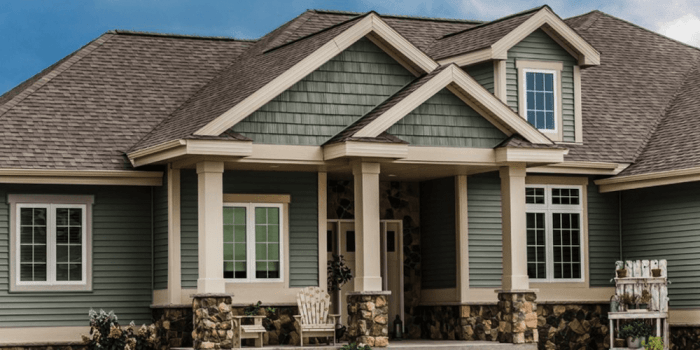
Choosing the right color and style of siding for a new home is crucial as it significantly impacts the overall look and feel of the property. The color of the siding can enhance curb appeal, complement the architectural style, and even affect the energy efficiency of the home.When selecting a color scheme for your siding, it's essential to consider the architectural style of your home and the surrounding environment.
For example, a modern home might look best with a sleek, monochromatic color palette, while a traditional home could benefit from more classic color choices. Additionally, you'll want to take into account the landscape and neighboring homes to ensure your siding color complements the overall aesthetic of the area.
Trending Color Schemes and Design Choices
In the siding industry, there are several trending color schemes and design choices that homeowners can consider. Some popular options include:
- Neutral tones: Beige, grey, and taupe are timeless choices that work well with a variety of architectural styles.
- Dark hues: Deep blues, greens, and browns are gaining popularity for a bold and modern look.
- Bold accents: Incorporating a pop of color, such as red or yellow, can add personality and visual interest to your home's exterior.
When exploring these color schemes, it's essential to choose colors that not only reflect your personal style but also harmonize with the existing elements of your home and neighborhood.
Eco-Friendly Siding Choices
When it comes to siding options for your home, choosing eco-friendly materials is not only good for the environment but also for your wallet. Let's explore some sustainable choices that are perfect for eco-conscious homeowners.
Recycled Vinyl Siding
Recycled vinyl siding is made from recycled materials, such as PVC, making it a sustainable option for your home. This siding not only reduces waste but also requires less energy to produce compared to traditional vinyl siding. Additionally, it is durable and low-maintenance, making it a long-lasting choice for your home.
Reclaimed Wood Siding
Reclaimed wood siding is another eco-friendly option that gives your home a unique and rustic look. This siding is made from salvaged wood from old barns, warehouses, or other structures, reducing the need for new trees to be cut down.
It adds character to your home while also being a sustainable choice.
Fiber Cement Siding
Fiber cement siding is a blend of cellulose fibers, sand, and cement, making it a durable and sustainable option for your home. This siding is resistant to fire, insects, and rot, making it a low-maintenance choice. It is also energy-efficient, helping to regulate your home's temperature and reduce energy costs.
Installation and Maintenance Tips
Installing new home siding and maintaining it properly are crucial steps to ensure the longevity and aesthetics of your home exterior. Here is a step-by-step guide on how to install new home siding, along with tips for maintenance and addressing common issues.
Installation Guide
- Prepare the surface: Make sure the exterior walls are clean, dry, and free of any debris before starting the installation.
- Measure and cut the siding: Take accurate measurements of the walls and cut the siding panels accordingly to fit perfectly.
- Start from the bottom: Begin installing the siding from the bottom up, making sure each panel overlaps the previous one.
- Secure the siding: Use nails or screws to secure the siding panels to the exterior walls, following the manufacturer's guidelines.
- Finish with trim: Add trim pieces around windows, doors, and corners to give a polished look to the siding installation.
Maintenance Tips
- Clean regularly: Keep your siding clean by washing it with a mild detergent and water to remove dirt and grime.
- Inspect for damage: Regularly inspect the siding for any signs of damage, such as cracks, warping, or mold, and address them promptly.
- Paint or seal: If your siding requires painting or sealing, make sure to do so according to the manufacturer's recommendations to protect it from the elements.
- Trim vegetation: Trim any bushes or trees near the siding to prevent damage from branches or roots.
Common Issues and Solutions
- Moisture damage: If you notice moisture damage on your siding, investigate the source of the moisture and repair it to prevent further damage.
- Warping or buckling: Warping or buckling of siding panels can be caused by improper installation or exposure to extreme temperatures. Replacing the affected panels may be necessary.
- Mold and mildew: To prevent mold and mildew growth on your siding, ensure proper ventilation and keep the siding clean and dry.
- Fading color: Over time, the color of your siding may fade due to sun exposure. Consider repainting or replacing faded panels to maintain a fresh look.
Outcome Summary
In conclusion, new home siding options offer a range of choices to enhance the look and functionality of your home. By understanding the various materials and styles available, you can make the best decision to suit your needs and preferences.
FAQs
What are the most durable siding materials?
Fiber cement and metal are known for their durability and low maintenance requirements, making them popular choices for new home siding.
How do I choose the right color for my siding?
Consider the architectural style of your home and the surrounding environment when selecting a color. Trending color schemes can also provide inspiration.
Are eco-friendly siding options more expensive?
While some eco-friendly materials may have a higher upfront cost, they often offer long-term savings through energy efficiency and sustainability benefits.
What are common maintenance issues with new home siding?
Issues like mold growth, fading, or warping can occur over time. Regular cleaning and inspections can help prevent these problems and prolong the lifespan of your siding.