As HVAC tune up near me takes center stage, this opening passage beckons readers into a world crafted with good knowledge, ensuring a reading experience that is both absorbing and distinctly original. Regular tune-ups are essential for the optimal performance of your HVAC system, offering benefits like improved energy efficiency and cost savings.
Let's dive into the details of what you need to know about HVAC tune-ups near you.
Importance of HVAC tune-ups
Regular HVAC tune-ups are crucial for maintaining the efficiency and longevity of your heating and cooling system. Here are some key reasons why HVAC tune-ups are important:
Benefits of regular HVAC tune-ups
- Improved energy efficiency: A well-maintained HVAC system operates more efficiently, leading to lower energy bills and reduced carbon footprint.
- Extended system lifespan: Regular tune-ups help identify and address minor issues before they escalate into major problems, prolonging the life of your HVAC system.
- Enhanced indoor air quality: Proper maintenance ensures that your HVAC system is clean and functioning correctly, reducing the risk of allergens and pollutants circulating in your home.
How HVAC tune-ups prevent costly repairs
- Early detection of issues: During a tune-up, HVAC technicians can identify potential problems and address them promptly, preventing costly breakdowns later on.
- Optimal performance: By maintaining your HVAC system regularly, you can ensure that all components are working efficiently, reducing the likelihood of major repairs.
- Preservation of warranty: Many HVAC manufacturers require regular maintenance to keep the warranty valid, so tune-ups can help you avoid unexpected repair costs.
What is included in an HVAC tune-up?
During an HVAC tune-up, several important tasks are performed to ensure optimal performance and efficiency of the system.
Identifying Common Tasks during an HVAC Tune-Up
- Checking and replacing air filters: Clean filters ensure proper airflow and indoor air quality.
- Inspecting and cleaning ductwork: Removing debris and blockages can improve airflow and reduce strain on the system.
- Testing thermostat settings: Ensuring accurate temperature control and efficient operation.
- Lubricating moving parts: Preventing friction and reducing wear and tear on components.
- Inspecting electrical connections: Tightening connections and checking for any issues to prevent electrical failures.
Elaborating on the Inspection Process
During a tune-up, technicians will thoroughly inspect all components of the HVAC system to identify any potential issues or areas of concern.
Regular maintenance can help catch minor problems before they escalate into major repairs.
Detailing the Importance of Cleaning and Maintenance Tasks
- Cleaning coils: Removing dirt and debris from coils can improve efficiency and prevent overheating.
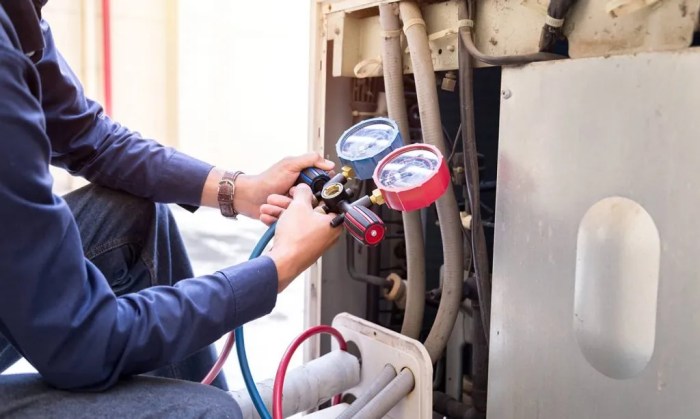
- Checking refrigerant levels: Ensuring proper refrigerant levels to maintain system performance.
- Inspecting and cleaning blower components: Improving airflow and efficiency by keeping the blower clean and well-maintained.
- Testing system controls: Verifying that the system cycles on and off correctly for optimal performance.
How often should HVAC systems be tuned up?
Regular maintenance of HVAC systems is crucial to ensure optimal performance, energy efficiency, and longevity. The frequency of HVAC tune-ups depends on various factors such as the type of system, usage patterns, and environmental conditions.
Recommended Frequency for HVAC Tune-ups
- For most residential HVAC systems, it is recommended to schedule a tune-up at least once a year. Ideally, it is best to have the system serviced before the start of the heating and cooling seasons to address any potential issues before they escalate.
- Commercial HVAC systems, especially those that are larger and more complex, may require more frequent tune-ups. It is common for commercial systems to be serviced quarterly or semi-annually to ensure consistent performance and prevent costly breakdowns.
Factors Influencing Tune-up Frequency
- Usage Intensity: HVAC systems that are used more frequently, such as in commercial buildings or in regions with extreme weather conditions, may need more frequent tune-ups to maintain efficiency.
- Age of the System: Older HVAC systems tend to require more maintenance and may benefit from more frequent tune-ups to ensure they continue to operate smoothly.
- Environmental Conditions: Dusty or humid environments can impact the performance of HVAC systems, leading to the need for more frequent tune-ups to keep the system running efficiently.
DIY vs. Professional HVAC tune-ups
When it comes to HVAC tune-ups, homeowners often wonder whether they should tackle the maintenance themselves or hire a professional. While some tasks can be done DIY, there are distinct advantages to opting for professional HVAC tune-ups.Professional tune-ups offer a level of expertise and precision that can be hard to achieve with DIY efforts.
HVAC technicians have the training and experience to identify potential issues before they become major problems, ensuring your system runs efficiently and effectively.
Tasks best left to professionals
- Checking refrigerant levels: HVAC technicians have the necessary tools to accurately measure and adjust refrigerant levels, which is crucial for the system's performance and longevity.
- Electrical inspections: Handling electrical components can be dangerous for homeowners without the proper training. Professionals can safely inspect and tighten electrical connections to prevent hazards.
- Ductwork inspection: HVAC technicians can identify leaks or blockages in the ductwork that can impact airflow and efficiency. They can also recommend solutions to improve air quality.
Tips for homeowners considering DIY maintenance
- Change air filters regularly: This simple task can improve airflow and system efficiency. Make sure to use the right type and size of filter for your HVAC system.
- Clean the outdoor unit: Remove debris and vegetation around the outdoor unit to ensure proper airflow. You can also gently hose down the unit to remove dirt and grime.
- Monitor system performance: Pay attention to any unusual noises, odors, or changes in heating or cooling performance. If you notice any issues, it's best to call a professional for a thorough inspection.
Finding the best HVAC tune-up service near me
When looking for the best HVAC tune-up service near you, there are several factors to consider to ensure you choose a reliable and experienced provider. Here are some tips to help you select the right HVAC service for your needs.
Factors to consider when choosing an HVAC service provider
- Reputation: Look for reviews and testimonials from previous customers to gauge the quality of service provided by the HVAC company.
- Experience: Check how long the company has been in business and inquire about the experience of their technicians. Experienced professionals are more likely to handle complex issues effectively.
- Certifications: Ensure that the HVAC service provider is certified and licensed to perform the required services. Certifications indicate that the technicians have received proper training and meet industry standards.
- Services offered: Consider the range of services offered by the HVAC company to ensure they can meet all your heating and cooling needs.
Importance of certifications and experience
Certifications and experience are crucial when selecting an HVAC service provider. Certified technicians have the necessary skills and knowledge to diagnose and repair HVAC systems accurately. Experience plays a vital role in handling various HVAC issues efficiently, ensuring that your system operates optimally.
Tips for researching and selecting a reliable HVAC service near you
- Ask for recommendations from friends, family, or neighbors who have used HVAC services before.
- Check online reviews and ratings of different HVAC companies to get an idea of their reputation and customer satisfaction levels.
- Verify the certifications and licenses of the HVAC company to ensure they meet industry standards and regulations.
- Request quotes from multiple HVAC service providers to compare prices and services offered before making a decision.
Final Wrap-Up
In conclusion, HVAC tune-ups near me are crucial for maintaining the efficiency and longevity of your system. By understanding the importance of regular maintenance, you can avoid costly repairs and ensure your HVAC system operates smoothly. Stay informed, stay proactive, and enjoy the benefits of a well-tuned HVAC system in your home or office.
FAQ Summary
How often should HVAC systems be tuned up?
It is recommended to tune up HVAC systems at least once a year to maintain peak performance and efficiency.
DIY vs. Professional HVAC tune-ups: Which is better?
Professional tune-ups are advantageous as trained technicians can identify and fix issues that may go unnoticed with DIY maintenance.
What tasks are included in an HVAC tune-up?
Common tasks include inspecting ductwork, checking refrigerant levels, cleaning coils, and testing system controls.