When it comes to enhancing the aesthetics and functionality of your home, selecting the right materials for roofing and siding plays a crucial role. From durable metal to classic wood, each option offers unique benefits and considerations that can impact your property's overall appeal.
Let's dive into the world of roofing and siding materials to uncover the best choices for your next project.
As we explore the various materials and installation processes, you'll gain valuable insights into the environmental impact and cost considerations associated with each option. Whether you're a seasoned homeowner or a first-time renovator, this guide will equip you with the knowledge needed to make informed decisions for your property.
Types of materials used as roofing and siding
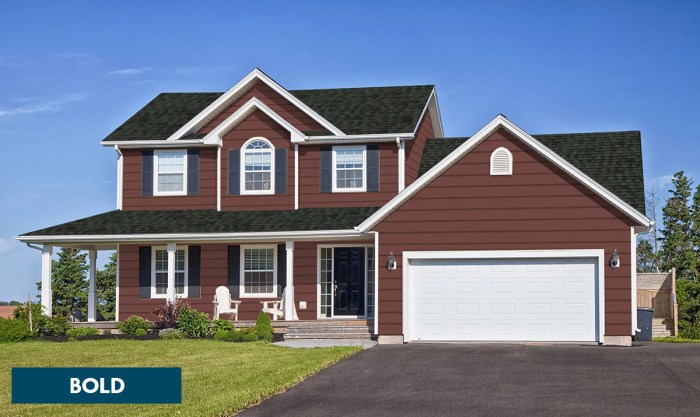
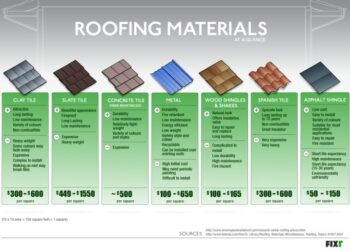
When it comes to roofing and siding, there are several materials commonly used in construction. Each material has its own benefits and drawbacks, as well as unique features that make them suitable for different types of projects.
Metal
Metal roofing and siding are known for their durability and longevity. They are resistant to fire, rot, and pests, making them a popular choice for many homeowners. However, metal can be more expensive than other materials, and it may require professional installation to ensure proper sealing and insulation.
Asphalt
Asphalt shingles are one of the most popular roofing materials due to their affordability and ease of installation. They come in a variety of colors and styles, making them versatile for different architectural designs. However, asphalt shingles may not be as durable as other materials and may require more frequent maintenance and replacement.
Wood
Wood roofing and siding are known for their natural beauty and charm. They can add a rustic look to a home and are often used in traditional or historic buildings. However, wood requires regular maintenance to prevent rot, mold, and insect damage.
It is also more susceptible to fire than other materials.
Vinyl
Vinyl siding is a popular choice for homeowners looking for a low-maintenance and cost-effective option. It is available in a wide range of colors and styles, making it versatile for different design preferences. However, vinyl may crack or fade over time, especially in extreme weather conditions, and it is not as durable as other materials like metal or wood.
Installation processes for roofing and siding
When it comes to installing roofing and siding, following the correct procedures is crucial to ensure durability and functionality. Here, we will delve into the step-by-step process of installing various roofing materials and siding options, along with tips for proper insulation and ventilation.
Roofing Installation
Roofing installation involves multiple steps that vary depending on the type of material used. Here are the general steps for installing common roofing materials:
- Prepare the roof deck by ensuring it is clean, dry, and free of any debris.
- Install underlayment to provide an additional layer of protection against water infiltration.
- Begin laying the roofing material from the bottom edge, working your way up the roof in overlapping rows.
- Secure the roofing material in place using nails or screws, following manufacturer guidelines for spacing and placement.
- Finish the edges and ridges with appropriate flashing and trim to ensure a watertight seal.
Siding Installation
Installing siding involves different techniques depending on the material chosen. Here are the general steps for installing common siding materials:
- Prepare the exterior walls by fixing any structural issues and applying a weather-resistant barrier.
- Begin installing the siding from the bottom up, ensuring each piece interlocks securely with the adjacent panels.
- Secure the siding in place using nails or clips, following the manufacturer's instructions for spacing and fastening.
- Cut and fit the siding around windows, doors, and corners to ensure a seamless and professional finish.
Insulation and Ventilation Tips
Proper insulation and ventilation are essential for maintaining a comfortable and energy-efficient home. Here are some tips to ensure adequate insulation and ventilation during the installation of roofing and siding:
- Install insulation material in the attic to prevent heat loss and maintain a consistent indoor temperature.
- Ensure proper ventilation by installing soffit vents, ridge vents, and gable vents to allow for air circulation and prevent moisture buildup.
- Use vapor barriers to prevent condensation inside the walls and roof, which can lead to mold and rot.
- Regularly inspect and maintain insulation and ventilation systems to ensure they are functioning effectively.
Environmental impact of using certain materials for roofing and siding
Metal, wood, and asphalt are commonly used materials for roofing and siding, each with its own environmental impact. It is crucial to consider sustainability and recyclability when choosing materials for construction projects to minimize the negative effects on the environment.
Metal roofing and siding
Metal roofing and siding are highly durable and long-lasting, reducing the need for frequent replacements and minimizing waste. Additionally, metal materials are recyclable, making them a sustainable option. The production of metal roofing and siding may have some environmental impact due to energy consumption and emissions during manufacturing
However, the long lifespan and recyclability of metal materials offset these initial impacts.
Wood roofing and siding
Wood is a natural and renewable material commonly used for roofing and siding. However, the harvesting of wood can lead to deforestation and habitat destruction if not managed sustainably. To minimize environmental impact, it is essential to choose wood from responsibly managed forests or opt for reclaimed wood.
Wood materials can also be recycled or repurposed, enhancing their sustainability.
Asphalt roofing and siding
Asphalt shingles are a popular choice for roofing due to their affordability and ease of installation. However, asphalt production involves the use of fossil fuels and releases greenhouse gases, contributing to environmental pollution. Additionally, asphalt shingles have a shorter lifespan compared to metal or wood, leading to more frequent replacements and waste generation.
To reduce the environmental impact of asphalt materials, some manufacturers offer recycling programs for old shingles.
Eco-friendly alternatives
For those looking to minimize environmental impact, there are several eco-friendly alternatives for roofing and siding. Options include recycled metal roofing, reclaimed wood siding, and sustainable composite materials made from recycled plastics and wood fibers. Green roofs, which incorporate living vegetation, can also provide insulation and reduce stormwater runoff.
Choosing environmentally friendly materials and practices can help create a more sustainable construction industry.
Cost considerations for roofing and siding projects
When embarking on a roofing or siding project, it is crucial to consider the costs involved. This includes not only the materials but also labor and any additional expenses that may arise throughout the project. Understanding the breakdown of costs and comparing the long-term cost-effectiveness of different materials can help you make informed decisions and stay within your budget.
Materials Costs
- Asphalt shingles: Asphalt shingles are one of the most affordable roofing materials, making them a popular choice for many homeowners. The cost can vary depending on the quality and brand, but they generally range from $1.50 to $5.50 per square foot.
- Metal roofing: Metal roofing is more expensive upfront, with costs typically ranging from $5 to $12 per square foot. However, metal roofs are durable and long-lasting, potentially saving you money on repairs and replacements in the long run.
- Vinyl siding: Vinyl siding is a cost-effective option for siding, with prices averaging between $2 to $7 per square foot. It is low-maintenance and can save you money on painting and upkeep over time.
Labor Costs
- Labor costs for roofing and siding projects can vary based on factors such as the size of the project, location, and complexity of the installation. On average, labor costs can range from $50 to $150 per hour.
- It is important to obtain multiple quotes from reputable contractors to ensure you are getting a fair price for the labor involved in your project.
Additional Expenses
- Additional expenses for roofing and siding projects may include permits, disposal fees, and any unexpected repairs or modifications that arise during the installation process.
- It is advisable to set aside a contingency fund of around 10-20% of your total project budget to account for any unforeseen expenses that may arise.
Long-Term Cost-Effectiveness
- While some materials may have a higher upfront cost, it is essential to consider the long-term cost-effectiveness of each option. Durable materials that require less maintenance and have a longer lifespan can save you money over the years by reducing the need for repairs and replacements.
- Investing in quality materials upfront can lead to cost savings in the future, making it a wise financial decision for your roofing and siding projects.
Tips for Budgeting and Saving Money
- Set a realistic budget for your roofing and siding project and stick to it to avoid overspending.
- Obtain multiple quotes from different contractors to compare prices and ensure you are getting a competitive rate for both materials and labor.
- Consider financing options or payment plans to help spread out the cost of your project over time.
- Explore energy-efficient materials or options that may qualify for rebates or incentives, helping you save money in the long run on energy costs.
Closing Notes
In conclusion, the selection of materials for roofing and siding is a decision that should not be taken lightly. By understanding the benefits, drawbacks, and environmental implications of each option, you can make a choice that aligns with your vision and values.
Remember, investing in quality materials and professional installation will not only enhance your home's curb appeal but also ensure long-term durability and sustainability. Take the first step towards transforming your property with confidence and style.
Popular Questions
What are the main types of materials used for roofing and siding?
Common materials include metal, asphalt, wood, and vinyl, each offering unique benefits and drawbacks for roofing and siding applications.
How can I ensure proper insulation and ventilation during the installation of roofing and siding?
Proper insulation and ventilation are crucial for maintaining energy efficiency and preventing issues like moisture buildup. Consider consulting with professionals to ensure optimal installation practices.
Are there eco-friendly alternatives for roofing and siding materials?
Yes, there are sustainable options available, such as recycled metal or composite materials that reduce environmental impact while still providing durability and aesthetic appeal.
What are some cost-saving tips for roofing and siding projects?
To save money, consider comparing quotes from multiple contractors, opting for durable materials with long-term cost-effectiveness, and planning your project during off-peak seasons to potentially secure discounts.