The topic of top roofing materials used around the world sets the stage for a fascinating exploration, providing readers with an in-depth look at the variety of materials used globally. From traditional choices to modern innovations, this discussion delves into the characteristics, popularity, and iconic examples of roofing materials around the world.
As we delve deeper into each material, we uncover the unique qualities that make them stand out in the world of roofing, shedding light on the regions where they are most prevalent and the notable structures that showcase their versatility.
Top Roofing Materials Used Around the World
Roofing materials play a crucial role in protecting buildings from the elements and enhancing their aesthetic appeal. Here are some of the most commonly used roofing materials globally.
Asphalt Shingles
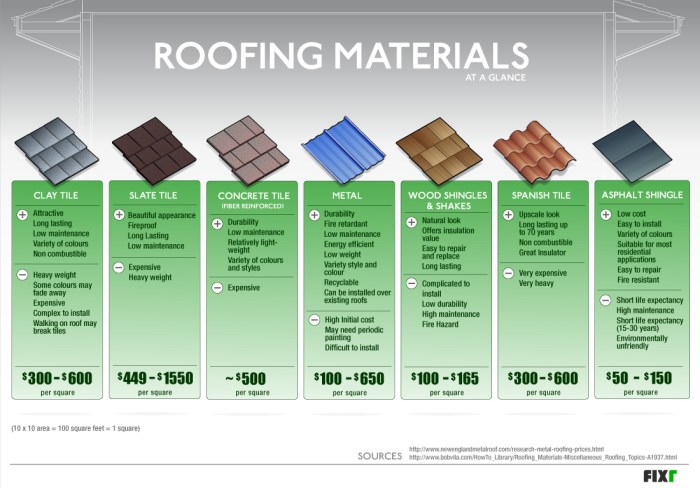
Asphalt shingles are popular due to their affordability, durability, and ease of installation. They are widely used in North America and parts of Europe. Iconic buildings like the White House in the U.S. feature asphalt shingle roofs.
Clay Tiles
Clay tiles are known for their longevity and resistance to harsh weather conditions. They are commonly used in Mediterranean countries like Spain and Italy. The Sagrada Familia in Barcelona showcases the beauty of clay tile roofing.
Metal Roofing
Metal roofing is valued for its durability and energy efficiency. It is popular in Australia, New Zealand, and parts of Asia. The Sydney Opera House boasts a distinctive metal roof design.
Thatched Roofing
Thatched roofs are made from natural materials like straw or reeds and are commonly found in tropical regions like Africa and Southeast Asia. The traditional houses in Bali, Indonesia, often feature thatched roofs.
Slate Roofing
Slate roofing offers a luxurious look and is highly durable. It is commonly seen in countries like Wales, Spain, and the United States. The Smithsonian Institution Building in Washington, D.C., showcases the elegance of slate roofing.
Asphalt Shingles
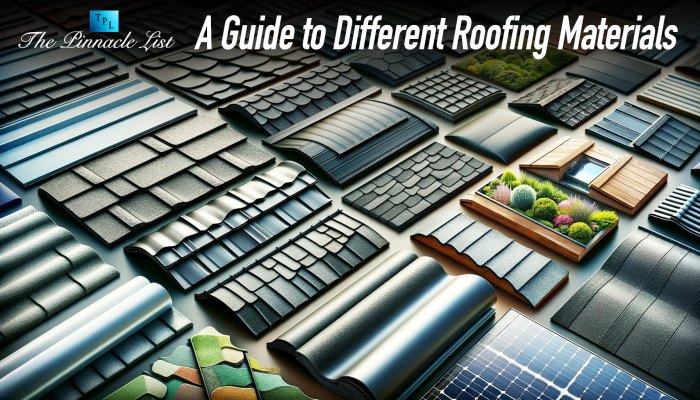
Asphalt shingles are one of the most popular roofing materials used worldwide due to their affordability, durability, and ease of installation. They are versatile and can complement a variety of architectural styles, making them a preferred choice for many homeowners.
Advantages and Disadvantages of Asphalt Shingles
- Advantages:
- Cost-effective compared to other roofing materials.
- Easy to install, reducing labor costs.
- Available in a wide range of colors and styles to suit different aesthetics.
- Durable and can withstand various weather conditions.
- Disadvantages:
- Shorter lifespan compared to materials like metal or tile.
- Prone to algae growth in humid climates.
- May require more frequent maintenance and repairs.
Types of Asphalt Shingles
There are three main types of asphalt shingles available in the market:
- 3-Tab Shingles: The most basic and affordable option.
- Architectural Shingles: Thicker and more durable, offering a textured appearance.
- Luxury Shingles: High-end shingles that mimic the look of slate or wood.
Innovations in Asphalt Shingle Technology
Recent developments in asphalt shingle technology have focused on enhancing durability and energy efficiency. Some innovations include:
- Impact-resistant shingles that can withstand hail and strong winds.
- Cool roof shingles designed to reflect sunlight and reduce cooling costs.
- Algae-resistant shingles to prevent the growth of unsightly streaks on the roof.
Metal Roofing
Metal roofing is a popular choice in many regions due to its durability, longevity, and aesthetic appeal. It offers excellent protection against harsh weather conditions and requires minimal maintenance compared to other roofing materials.
Types of Metals Used for Roofing
Metal roofing can be made from a variety of materials, including:
- Steel: Known for its strength and affordability, steel roofing is a common choice for residential and commercial buildings.
- Aluminum: Lightweight and resistant to corrosion, aluminum roofing is ideal for coastal areas or places with high humidity.
- Copper: While more expensive, copper roofing offers a unique and elegant appearance that develops a natural patina over time.
- Zinc: Durable and environmentally friendly, zinc roofing is a sustainable option that can last for decades.
Durability and Longevity
Metal roofing is known for its longevity, with some materials lasting up to 50 years or more. It is resistant to fire, rot, and insect damage, making it a reliable choice for homeowners looking for a low-maintenance roofing option.
Environmental Benefits
Metal roofing is considered environmentally friendly for several reasons:
- Recyclability: Metal roofing materials are often made from recycled metals and can be recycled at the end of their lifespan.
- Energy Efficiency: Metal roofs can reflect solar heat, reducing cooling costs during hot weather and making them more energy-efficient than traditional roofing materials.
- Longevity: The long lifespan of metal roofing reduces the need for frequent replacements, minimizing waste and environmental impact.
Clay Tiles
Clay tiles have a rich historical significance in roofing, dating back centuries to ancient civilizations like the Greeks and Romans. Their durability and timeless aesthetic appeal have made them a popular choice for roofs around the world.
Benefits of Clay Tiles
- Clay tiles provide excellent insulation, keeping homes cool in hot climates and warm in colder regions. This can lead to energy savings on heating and cooling costs.
- They are highly fire-resistant, offering an added layer of protection to the structure.
- Clay tiles are durable and have a long lifespan, often lasting 50 years or more with proper maintenance.
Cost Comparison
- While clay tiles may have a higher upfront cost compared to some other roofing materials, their longevity and low maintenance requirements can result in cost savings over time.
- When considering the energy efficiency benefits and potential savings on utility bills, the initial investment in clay tiles can be justified.
Maintenance Requirements
- Regular inspection and cleaning of clay tile roofs are essential to prevent debris buildup and ensure proper drainage.
- Broken or damaged tiles should be replaced promptly to prevent water leakage and potential structural damage.
- Applying a protective sealant every few years can help extend the lifespan of clay tiles and maintain their appearance.
Concrete Tiles
Concrete tiles are a popular roofing choice due to their durability, versatility, and aesthetic appeal. Made from a mixture of cement, sand, and water, concrete tiles can mimic the look of traditional clay tiles or even wood shakes.Concrete tiles are known for their longevity and low maintenance requirements.
They are highly resistant to fire, wind, and hail, making them a suitable option for various climates. Additionally, concrete tiles are available in a wide range of colors and profiles, allowing homeowners to customize their roofs to match their architectural style.
Installation Process and Structural Benefits
- Concrete tiles are typically installed on a solid roof deck using nails or screws to secure them in place.
- Due to their heavyweight, concrete tiles provide excellent insulation and noise reduction for the home.
- These tiles offer superior protection against extreme weather conditions, including heavy rain and wind.
Lifespan Comparison
- Concrete tiles have a lifespan of 50 years or more, outlasting asphalt shingles and some metal roofing options.
- Regular maintenance, such as cleaning and resealing, can help extend the lifespan of concrete tiles even further.
Architectural Styles
- Spanish Colonial: Concrete tiles complement the Mediterranean-style architecture of Spanish Colonial homes with their terra cotta hues and barrel-shaped profiles.
- Contemporary: In modern and minimalist designs, concrete tiles provide a sleek and durable roofing option that enhances the overall aesthetic of the home.
- Tuscan: The warm tones and rustic textures of concrete tiles are well-suited for Tuscan-inspired homes, adding to the charm and character of the property.
Final Wrap-Up
In conclusion, the diverse world of roofing materials offers a rich tapestry of options for builders and homeowners alike. From the time-tested clay tiles to the sleek metal roofing solutions, each material brings its own set of advantages and considerations.
This exploration of top roofing materials used around the world serves as a window into the fascinating realm of construction and design, highlighting the importance of choosing the right material for any roofing project.
Query Resolution
What are the most commonly used roofing materials globally?
The most commonly used roofing materials globally include asphalt shingles, metal roofing, clay tiles, and concrete tiles.
Why are asphalt shingles popular for roofing?
Asphalt shingles are popular due to their affordability, ease of installation, and variety of colors and styles available.
What types of metals are commonly used for metal roofing?
Common metals used for metal roofing include steel, aluminum, copper, and zinc.
What are the benefits of using clay tiles for roofing?
Clay tiles offer excellent insulation, energy efficiency, and a long lifespan, making them a preferred choice for many homeowners.
Why are concrete tiles a popular roofing choice?
Concrete tiles are popular for their durability, low maintenance requirements, and versatility in architectural styles.