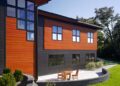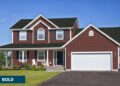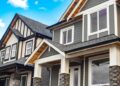
Embark on a journey through the world of home exterior siding and roofing ideas, where we delve into the various materials, design trends, and sustainability aspects that can transform your home's exterior. From the classic charm of wood siding to the sleek efficiency of metal roofs, discover how these choices can elevate the look and feel of your home.
As we explore the different types of siding, roofing materials, color trends, and energy-efficient options, you'll gain valuable insights into creating a home exterior that not only stands out but also stands the test of time.
Types of Home Exterior Siding
When it comes to home exterior siding, there are various materials to choose from, each with its own unique characteristics and benefits. Understanding the differences between these options can help homeowners make an informed decision based on their preferences and needs.
Vinyl Siding
Vinyl siding is a popular choice for many homeowners due to its affordability and low maintenance requirements. It is available in a wide range of colors and styles, making it easy to find a look that complements the overall design of the home.
However, vinyl siding may not be as durable as some other materials and can be prone to cracking or fading over time.
Wood Siding
Wood siding offers a classic and natural aesthetic that many homeowners find appealing. It can be stained or painted to achieve a custom look, and it is a renewable resource, making it an environmentally friendly option. However, wood siding requires regular maintenance, such as painting or staining, to protect it from the elements and prevent rot or decay.
Fiber Cement Siding
Fiber cement siding is a durable and long-lasting option that is resistant to rot, fire, and pests. It can mimic the look of wood or other materials, providing a versatile choice for homeowners who want the appearance of traditional siding without the maintenance requirements.
While fiber cement siding may be more expensive upfront, it can save money in the long run due to its longevity and minimal maintenance needs.
Popular Roofing Materials
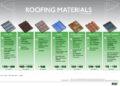
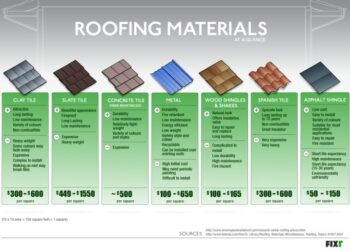
When it comes to choosing roofing materials for your home, there are several popular options available. These options vary in terms of cost, durability, and aesthetic appeal, allowing homeowners to select the best fit for their needs.
Asphalt Shingles
Asphalt shingles are one of the most common roofing materials used in residential construction. They are affordable, easy to install, and come in a variety of colors and styles. While asphalt shingles may not be as durable as some other materials, they offer a good balance of cost and performance for many homeowners.
Metal Roofing
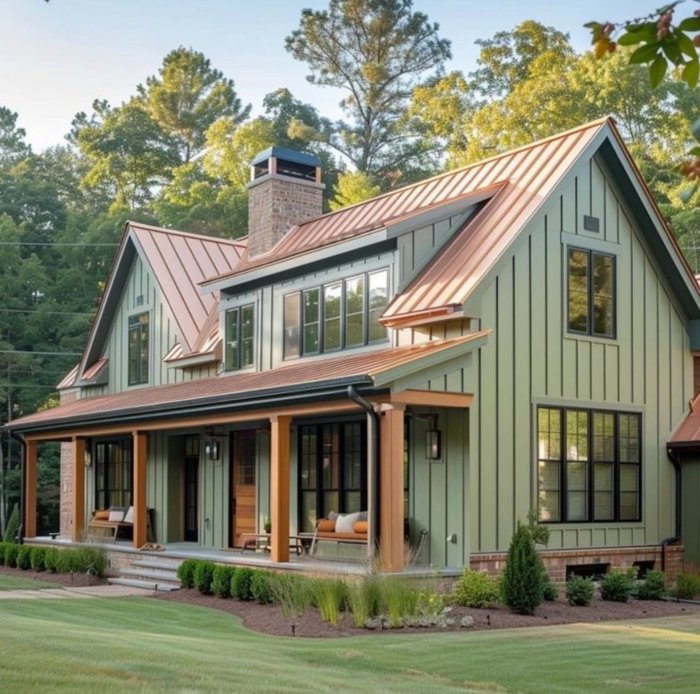
Metal roofing is gaining popularity due to its durability and longevity. Metal roofs can last 50 years or more, making them a cost-effective option in the long run. They are also energy-efficient and environmentally friendly. However, metal roofing tends to be more expensive upfront compared to traditional asphalt shingles.
Clay Tiles
Clay tiles are known for their distinctive appearance and longevity. They can withstand extreme weather conditions and are fire-resistant. While clay tiles are more expensive than asphalt shingles, they can last for decades with proper maintenance. The aesthetic appeal of clay tiles adds a touch of elegance to any home.
Aesthetic Differences: Slate vs. Asphalt Shingles
Slate roofs are known for their natural beauty and unique texture. They have a timeless look that can enhance the curb appeal of a home. On the other hand, asphalt shingles are available in a wide range of colors and styles, offering versatility in design.
While slate roofs are more expensive than asphalt shingles, they can last much longer with proper care.
Cost Implications of Metal Roofing
Choosing a metal roof over traditional asphalt shingles can have cost implications. While metal roofing may have a higher initial cost, it can save homeowners money in the long term due to its durability and energy efficiency. Additionally, metal roofs require less maintenance and are less prone to damage from weather conditions, reducing repair costs over time.
Color and Design Trends
When it comes to home exterior colors, trends play a significant role in enhancing curb appeal and creating a cohesive look for your property
Coordinating Siding and Roofing Colors
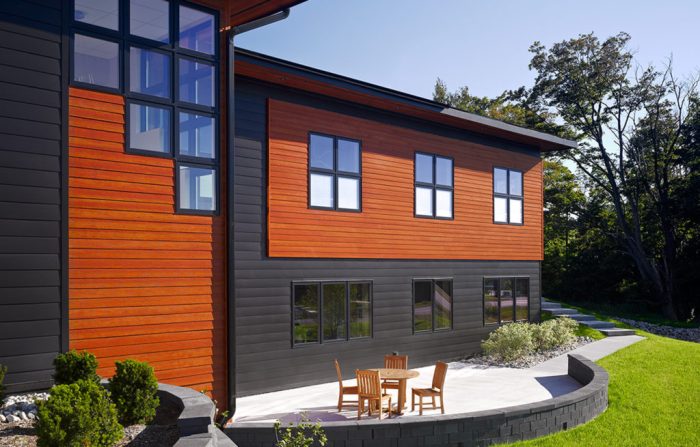
Coordinating the colors of your siding and roofing is essential to achieve a harmonious and visually appealing exterior. Matching or complementing colors can create a seamless look, while contrasting colors can make a bold statement. Consider the architectural style of your home and the surrounding landscape when selecting colors.
Popular Color Schemes
- Neutral Palette: Using shades of white, beige, gray, or taupe for the siding with a darker roof color like charcoal or black can create a timeless and elegant look.
- Modern Contrast: Pairing a light-colored siding with a dark-colored roof, such as white siding with a navy blue roof, can give your home a modern and sophisticated appearance.
- Earthy Tones: Opting for earthy tones like olive green, terracotta, or warm browns for the siding, combined with a natural wood or brown roof, can create a cozy and inviting feel.
- Bold and Bright: For a more vibrant look, consider bold color combinations like a red siding with a gray roof or a blue siding with a white roof to make a statement and stand out in the neighborhood.
Energy Efficiency and Sustainability
When it comes to choosing siding and roofing materials for your home, it's important to consider how these choices can impact energy efficiency and sustainability.
Impact of Materials on Energy Efficiency
Choosing the right materials for your home's exterior can have a significant impact on its energy efficiency. For example, insulated siding can help regulate indoor temperatures, reducing the need for heating and cooling. Additionally, selecting roofing materials with high solar reflectance and thermal emittance can help reduce heat absorption, lowering energy consumption.
Sustainable Options
Opting for sustainable materials such as recycled siding or eco-friendly roofing solutions can not only benefit the environment but also improve your home's energy efficiency. These materials often require less energy to produce and can be recycled at the end of their lifespan, reducing waste and carbon footprint.
Cool Roofs for Energy Savings
Cool roofs, which are designed to reflect more sunlight and absorb less heat than traditional roofs, can significantly reduce energy consumption. By keeping your home cooler in hot weather, cool roofs help lower the demand for air conditioning, leading to energy savings and decreased greenhouse gas emissions.
Ultimate Conclusion
In conclusion, the blend of aesthetics, durability, and eco-conscious choices in home exterior siding and roofing ideas opens up a world of possibilities for homeowners looking to revamp their homes. By incorporating the right elements, you can achieve a harmonious balance that not only enhances your home's curb appeal but also elevates its overall value.
Key Questions Answered
What are the key differences between vinyl siding and wood siding?
While vinyl siding is low maintenance and cost-effective, wood siding offers a natural, classic look but requires more upkeep to maintain its appearance.
How do color and design trends impact the overall curb appeal of a home?
Current trends in home exterior colors can significantly enhance curb appeal by giving your home a modern and fresh look. Coordinating siding and roofing colors is crucial for creating a cohesive and visually appealing exterior.
Can the choice of siding and roofing materials affect a home's energy efficiency?
Absolutely. The right materials can improve insulation and reduce energy consumption, contributing to a more sustainable and eco-friendly home.