
Delve into the realm of exterior motion detection systems and their impact on home insurance coverage. Discover how these innovative systems enhance security measures for homeowners, providing a shield of protection against potential threats.
Unveil the intricacies of these systems, from installation processes to integration with smart home technology, offering a comprehensive guide to optimizing home security and insurance benefits.
Overview of Exterior Motion Detection Systems
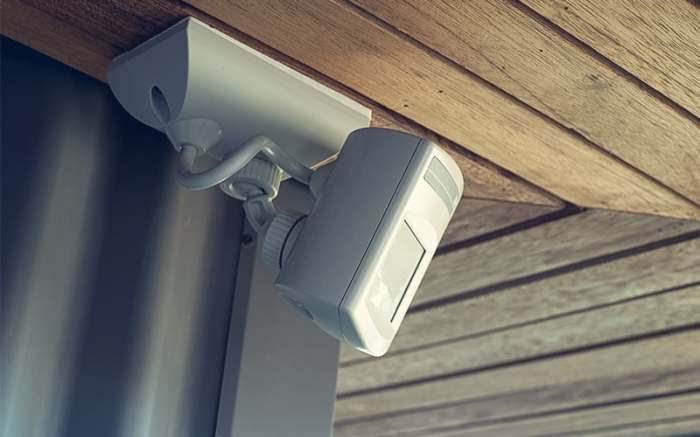
Exterior motion detection systems are security devices designed to sense movement outside of a property and alert homeowners to potential intruders or suspicious activity. These systems are an important part of home security as they provide an additional layer of protection by detecting motion in the outdoor areas of a home.
How Exterior Motion Detection Systems Work
Exterior motion detection systems typically use infrared technology to detect heat signatures and movement in the surrounding environment. When motion is detected, the system triggers an alarm or sends a notification to the homeowner's mobile device. Some systems may also include cameras to capture images or video footage of the detected activity.
Importance of Exterior Motion Detection Systems
Having exterior motion detection systems installed can deter potential intruders from targeting a home, as the presence of these systems signals that the property is protected. In the event of a break-in, these systems can provide valuable evidence to law enforcement and help identify suspects.
Types of Exterior Motion Detection Systems
- Passive Infrared (PIR) Sensors: These sensors detect changes in infrared radiation caused by movement.
- Microwave Sensors: These sensors emit microwave pulses and measure the reflection off moving objects.
- Ultrasonic Sensors: These sensors use sound waves to detect motion by measuring changes in frequency.
- Video Motion Detection: This type of system uses cameras to detect movement and trigger alerts.
Impact on Home Insurance
Exterior motion detection systems can have a significant impact on home insurance premiums by reducing the risk of burglary and vandalism.
Reduced Risk of Burglary and Vandalism
Exterior motion detection systems act as a deterrent for potential intruders, reducing the likelihood of break-ins and vandalism. This can lead to lower insurance claims for theft-related incidents, ultimately resulting in lower premiums for homeowners.
Insurance Companies’ View
Insurance companies typically view homes with exterior motion detection systems favorably. These systems demonstrate proactive measures taken by homeowners to secure their property, which can translate to a lower risk profile in the eyes of insurers. As a result, homeowners with these systems installed may be eligible for discounts on their home insurance premiums.
Installation and Maintenance
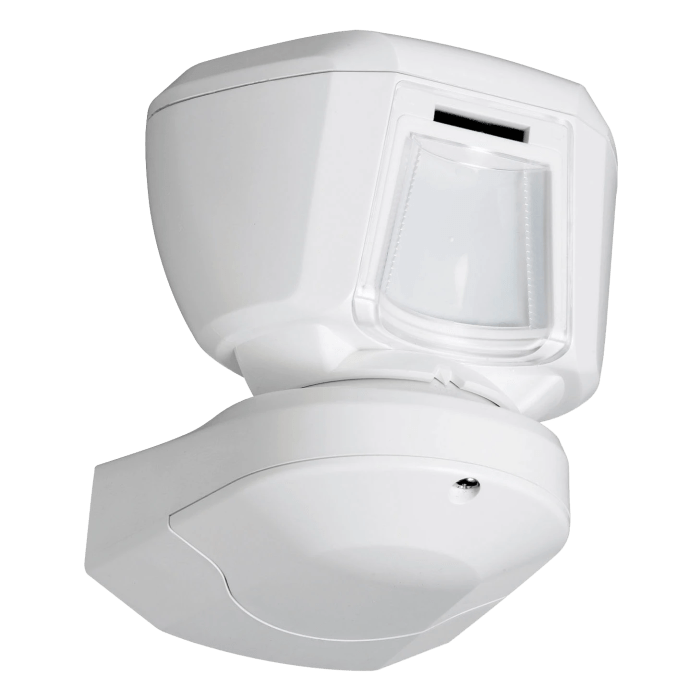
When it comes to installing and maintaining exterior motion detection systems for your home, there are a few key steps to keep in mind to ensure optimal performance and security
Installation Process
- Choose the right location: Select areas around your home where the motion detection sensors will have a clear line of sight without obstructions.
- Mounting the sensors: Follow the manufacturer's instructions carefully to securely install the sensors at the desired height and angle for maximum coverage.
- Connect to power source: Make sure the system is connected to a stable power source to ensure continuous operation.
- Test the system: After installation, test the system to ensure all sensors are functioning correctly and detecting motion as expected.
Maintenance Tips
- Regularly clean sensors: Dust, dirt, or debris can obstruct sensor functionality, so it's essential to keep them clean for optimal performance.
- Check for battery life: If your system uses batteries, monitor the battery life and replace them as needed to prevent any disruptions in monitoring.
- Update software: Ensure that the system's software is up to date to take advantage of the latest features and security enhancements.
- Inspect for damage: Periodically inspect the sensors and wiring for any signs of damage or wear and tear, and repair or replace as necessary.
Common Issues and Troubleshooting
- False alarms: Adjust the sensitivity settings on the system to reduce false alarms triggered by pets, moving branches, or other non-threatening movements.
- Poor visibility at night: Install additional lighting around the sensors to improve visibility in low-light conditions and enhance detection accuracy.
- Interference: Check for any sources of interference, such as nearby electronics or objects blocking the signal, and reposition the sensors if needed.
- Connection issues: Ensure that the system is properly connected to the Wi-Fi network and troubleshoot any connectivity issues that may arise.
Integration with Smart Home Technology
Exterior motion detection systems can easily be integrated with smart home technology to enhance the overall security and convenience of a home. By connecting these systems to other smart devices, homeowners can enjoy a seamless and automated experience that offers peace of mind and efficiency.
Benefits of Connecting with Smart Devices
- Increased security: Integrating exterior motion detection systems with smart home technology allows for real-time alerts and notifications to be sent to homeowners' smartphones or other devices, ensuring immediate action can be taken in case of any suspicious activity.
- Convenience: Homeowners can remotely monitor and control their exterior motion detection systems through smart home applications, providing the flexibility to adjust settings, receive alerts, and even view live footage from anywhere.
- Energy efficiency: By connecting these systems with smart lighting or heating systems, homeowners can optimize energy usage based on detected motion, ensuring lights are only on when needed and saving on electricity bills.
Remote Control through Smart Home Applications
- Smart home applications such as Google Home, Amazon Alexa, or dedicated security system apps allow homeowners to arm or disarm their exterior motion detection systems remotely, check the status of sensors, and receive alerts on their smartphones or smart speakers.
- Examples include setting up routines where the exterior lights turn on automatically when motion is detected, or receiving alerts and video clips on a smartphone when someone approaches the front door.
Epilogue
In conclusion, exterior motion detection systems offer a proactive approach to safeguarding your home and potentially lowering insurance premiums. By embracing this advanced technology, homeowners can enjoy peace of mind and enhanced protection for their valuable assets.
Question & Answer Hub
How do exterior motion detection systems impact home insurance premiums?
Exterior motion detection systems can potentially lower home insurance premiums by reducing the risk of burglary and vandalism, making homes less susceptible to security threats.
What are some common issues that may arise with exterior motion detection systems?
Common issues include false alarms triggered by pets or wildlife, sensor malfunctions due to weather conditions, or connectivity issues with smart home applications.