Delve into the world of affordable home siding options with this detailed guide that showcases a variety of materials, installation methods, energy-efficient choices, and curb appeal enhancements. Get ready to transform your home with cost-effective solutions and expert tips.
Types of Affordable Home Siding Options
When it comes to choosing affordable home siding options, there are several materials to consider. Each type of siding has its own pros and cons, as well as varying levels of durability and maintenance requirements. Let's take a look at five different types of affordable home siding materials:
Vinyl Siding
Vinyl siding is a popular choice for homeowners due to its affordability and low maintenance requirements. It comes in a variety of colors and styles, making it versatile for different home designs. However, vinyl siding may not be as durable as other materials and can crack or fade over time.
Fiber Cement Siding
Fiber cement siding is a durable option that mimics the look of wood or stucco without the high maintenance. It is resistant to rot, fire, and termites, making it a long-lasting choice for homeowners. On the downside, fiber cement siding can be more expensive upfront compared to other materials.
Engineered Wood Siding
Engineered wood siding is made from wood fibers and resin, providing a natural look without the high cost of real wood. It is lightweight and easy to install, but it may require more maintenance over time, such as repainting or restaining.
Metal Siding
Metal siding, such as aluminum or steel, is a durable and cost-effective option for homeowners. It is resistant to fire, rot, and insects, making it a low-maintenance choice. However, metal siding can dent easily and may not be as energy-efficient as other materials.
Stucco Siding
Stucco siding is a traditional choice that offers durability and energy efficiency. It can be applied in various textures and colors, providing a customized look for your home. However, stucco siding may be more expensive to install initially and may require professional maintenance over time.
Cost-Effective Installation Methods
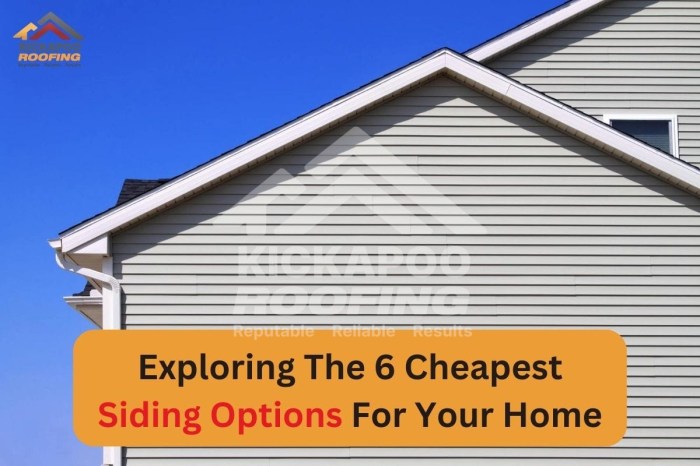
When it comes to affordable home siding options, the installation process can significantly impact the overall cost. Choosing the right installation method and considering cost-saving strategies can help you achieve a budget-friendly siding project without compromising quality.
DIY Installation vs. Professional Installation
- DIY Installation: Opting for DIY installation can save you money on labor costs since you won't have to pay for professional services. However, it's essential to have the necessary skills, tools, and time to complete the project successfully.
- Professional Installation: While professional installation may come with a higher upfront cost, it ensures that the siding is installed correctly and efficiently. This can prevent costly mistakes and repairs in the long run.
Tips to Reduce Labor Costs
- Plan Ahead: Proper planning can help streamline the installation process and minimize labor hours.
- Clear Workspace: Clearing the work area of obstacles and debris can speed up the installation process and reduce labor time.
- Assistants: Having extra hands to help with the installation can make the process more efficient and reduce labor costs.
Importance of Proper Maintenance
Proper maintenance is crucial to ensure the long-term cost-effectiveness of your siding
Energy-Efficient Siding Options
When it comes to energy-efficient siding options, choosing the right materials can make a significant impact on your home's insulation, utility bills, and the environment.
Affordable Siding Materials with Good Insulation Properties
- Vinyl Siding: Vinyl siding is a cost-effective option that offers decent insulation properties, helping to regulate the temperature inside your home.
- Fiber Cement Siding: Fiber cement siding is another affordable choice known for its durability and ability to provide good insulation, keeping your home warm in the winter and cool in the summer.
Lower Utility Bills with Energy-Efficient Siding
Energy-efficient siding helps to reduce heat loss in the winter and heat gain in the summer, meaning your HVAC system doesn't have to work as hard to maintain a comfortable temperature. This can lead to lower energy consumption and ultimately lower utility bills.
Environmental Benefits of Energy-Efficient Siding
- Reduced Carbon Footprint: By choosing energy-efficient siding materials, you can decrease your home's energy usage, reducing your carbon footprint and contributing to a more sustainable environment.
- Longevity: Energy-efficient siding options are often more durable and require less maintenance, reducing the need for frequent replacements and the associated environmental impact.
Enhancing Curb Appeal on a Budget
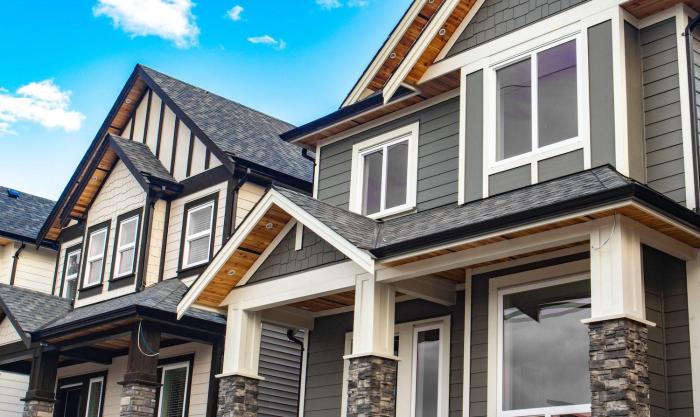
When looking to enhance the curb appeal of your home on a budget, there are several creative ways to achieve a visually appealing exterior without breaking the bank. By focusing on affordable siding options, color choices, and textures, you can transform the look of your home without spending a fortune.
Creative Color Options and Textures
Choosing the right colors and textures for your home's siding can make a significant impact on its overall appearance. Opting for neutral tones like gray, beige, or light blue can create a timeless and elegant look. Additionally, consider mixing different textures, such as combining smooth siding with wood accents, to add depth and visual interest to your home's exterior.
Combining Siding Materials for a Unique Look
Instead of sticking to one type of siding material, think about combining different materials to create a unique and cost-effective look. For example, mixing vinyl siding with stone veneer or brick can add character to your home while staying within budget.
This combination not only enhances the curb appeal but also provides a durable and low-maintenance solution for your exterior.
Wrap-Up
As we conclude our exploration of affordable home siding options, remember that upgrading your home's exterior doesn't have to break the bank. With the right choices and maintenance, you can achieve both beauty and functionality without sacrificing your budget.
Detailed FAQs
What are the most common types of affordable home siding materials?
Common types include vinyl, fiber cement, wood, engineered wood, and metal.
Is DIY installation a good option for cost savings?
DIY installation can save money, but it's important to have the right skills and tools to ensure a proper installation.
How can energy-efficient siding lower utility bills?
Energy-efficient siding materials provide better insulation, reducing the need for heating or cooling, thus lowering energy consumption.
What are some creative ways to enhance curb appeal with affordable siding?
Consider mixing siding materials, adding trim details, or choosing bold colors to enhance your home's exterior on a budget.